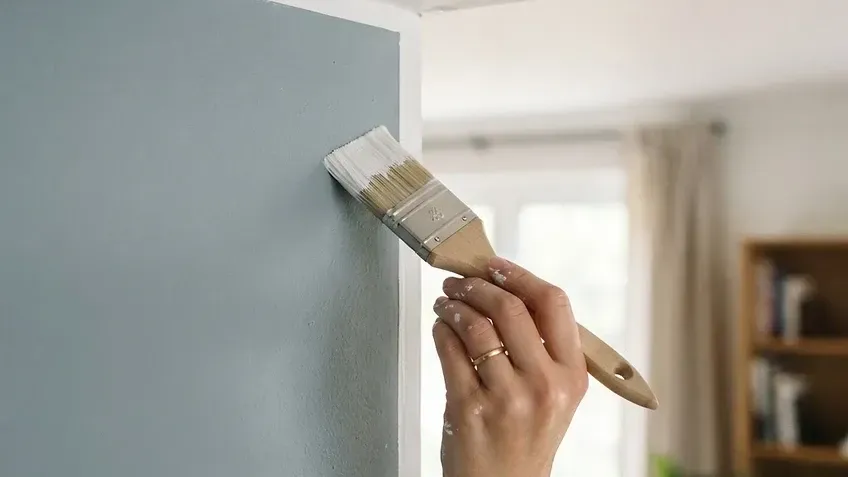
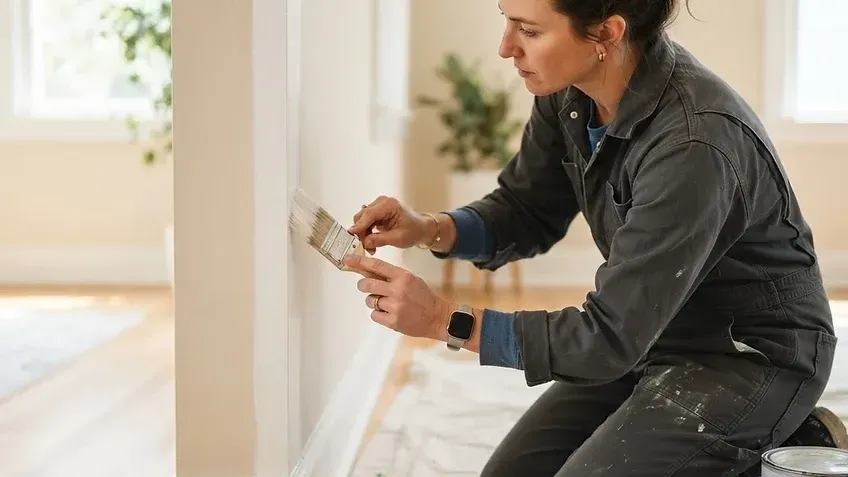
If you only remember one thing before painting a room yourself, make it this: cut in your edges with a brush before you ever touch a roller. It is the single step that separates a wall that looks hand-painted from one that looks finished.
Most do-it-yourself paint jobs go wrong at the edges, not in the middle of the wall. The roller handles the broad surface well enough. The line where the wall meets the ceiling, the corner where two walls meet, and the edge along the baseboard are where things get sloppy fast.
What cutting in actually means
Cutting in is painting a narrow band along every edge first, using a good brush, before the roller comes out. That band covers the few inches a roller cannot reach cleanly without bumping the ceiling or trim. Once the band is in place and still wet, the roller blends right into it for one even finish.
Why the order matters
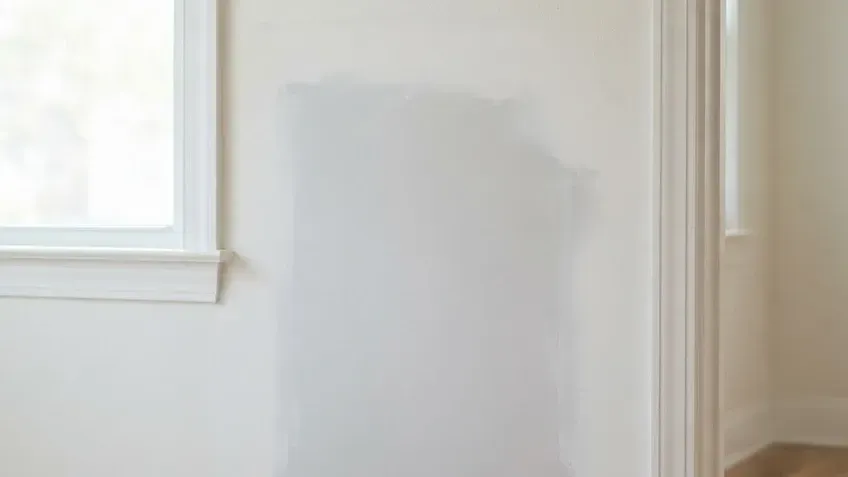
If you roll first, the edges are still bare. To finish them you have to bring a brush up to a freshly painted wall, and the new line rarely blends. You get a visible stripe where the brushed paint sits on top of the rolled paint. Cutting in first, then rolling into it while it is still wet, lets the two meet as a single coat.
That wet edge is the whole secret. Paint blends with itself while it is wet. Once the cut-in dries, the roller leaves a lap mark at the boundary. Work one wall at a time, cut in, then roll, and move on before it sets.
How to cut in a clean line
Load about a third of your brush, tap it against the inside of the can to avoid drips, and start a half inch away from the edge. Then ease the bristles toward the line so the paint spreads into the corner without flooding it. Work in sections of a few feet so the band stays wet for the roller to follow.
A steady hand does more here than tape. Tape can help on tricky surfaces, but a confident brush line usually looks better and saves the time of applying and removing it. If you do use tape, press the edge down firmly and pull it while the paint is still slightly wet for the cleanest break.
The tools that make it easier
A 2 or 2.5 inch angled sash brush holds enough paint and lets the bristles reach into corners. A small container you can hold keeps you from walking back to the can. And decent paint, not the cheapest on the shelf, flows off the brush in a way that forgives an unsteady hand.
One tip, used well
Cutting in before you roll will not fix a wall that needed repair, and it will not replace good preparation. But of all the things a homeowner can control on a Saturday afternoon, this one makes the biggest visible difference. Get the edges right first, let the roller do the easy part, and the room reads as finished instead of half done.
Shoreline Brushwork handles interior painting and drywall repair in Muskegon and surrounding communities. Call before 2:00 PM to ask about a free same-day estimate, subject to location and schedule availability.