October 16, 2026
Interior Paint Preparation: What Homeowners Should Expect
The most noticeable part of an interior painting project is the new color. The most important work often happens before that color reaches the wall.
Preparation affects how smooth the finish looks, how clean the edges appear, and how well the coating bonds to the surface. It also protects the parts of the home that are not being painted.
Here is what homeowners should discuss and expect before interior painting begins.
A clear walkthrough comes first
Every project should begin with a clear understanding of the scope. Which walls, ceilings, trim, doors, closets, or built-ins are included? Are there damaged areas that need attention? Will the color or sheen change? Are there tall ceilings, difficult access points, or rooms that need to remain usable?
These details affect the preparation, materials, schedule, and estimate. Walking through the project together also gives the homeowner a chance to point out fragile items, special concerns, pets, access needs, and other details that may not be obvious.
Protecting the room
Furniture, flooring, fixtures, and nearby surfaces need appropriate protection. The exact setup depends on the room and project. Some furniture may be moved to the center and covered. Smaller belongings, wall decor, electronics, and fragile items may need to be removed from the work area.
Homeowners should ask who is responsible for moving each item before the start date. That avoids confusion and keeps the work area safer and more efficient.
Cleaning and surface evaluation
Paint performs best on a sound, clean surface. Walls can collect dust, residue, kitchen grease, hand marks, and other contaminants. Glossy surfaces may need to be dulled. Loose or failed coating needs to be addressed rather than covered.
The painter should also look for water stains, recurring cracks, loose material, mold, or movement. Painting over an active problem does not solve it. Leaks, moisture, structural movement, and other underlying causes should be corrected first.
Repairing visible damage
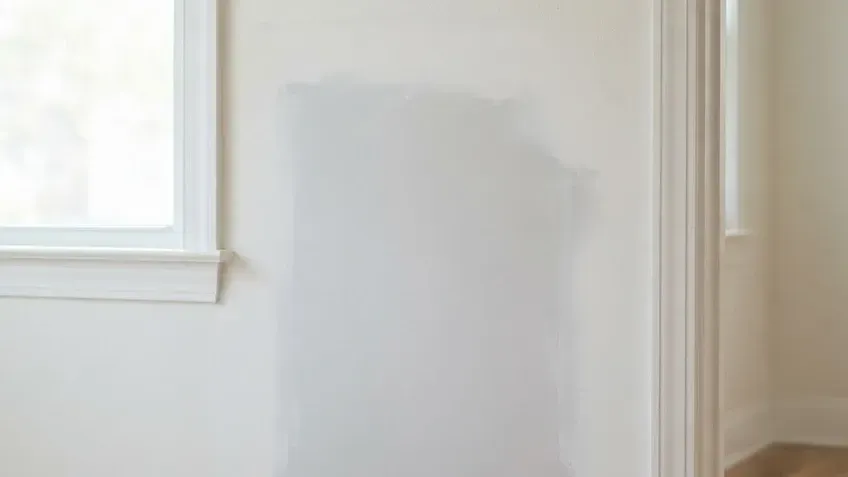
Small dents, nail holes, cracks, and rough previous repairs can remain visible after painting, especially in side lighting or with higher-sheen finishes. Repair work may involve filling, patching, applying compound, allowing it to dry, sanding it smooth, and priming the repaired area.
Larger drywall damage requires a more complete repair plan. Shoreline Brushwork handles damaged drywall areas up to 10 feet by 10 feet. The actual repair depends on location, depth, texture, access, and the cause of the damage.
Sanding and controlling dust
Sanding can help smooth repairs, reduce rough edges, and prepare certain existing finishes. It can also create dust, which is why protection and cleanup matter.
The amount of sanding should match the surface and scope. Homeowners can ask how dust will be managed, how adjoining spaces will be protected, and what cleanup is included.
Primer is a project decision
Not every wall needs a full coat of primer, and a product that combines paint and primer does not eliminate every priming need. Bare drywall, repaired areas, stains, major color changes, and certain surfaces may call for a specific primer.
The correct decision depends on the condition, material, previous coating, and finish goal. It should be discussed as part of the project rather than treated as a universal rule.
The final walkthrough
Once the work and cleanup are complete, the homeowner should have a chance to review the included areas with the painter. Shoreline Brushwork's Final Walkthrough Guarantee means the finished scope is reviewed together before the project is considered complete, and agreed-upon finishing details related to that scope are identified and addressed.
Preparation may not be the most dramatic part of a painting project, but it is what gives the visible finish a better foundation.
For interior painting or drywall repair in Muskegon and surrounding communities, call Shoreline Brushwork before 2:00 PM to ask about a free same-day estimate, subject to location and schedule availability.