October 16, 2026
Drywall Repair Before Painting: What Homeowners Should Know
A fresh coat of paint can make a room feel new, but it cannot hide every imperfection. Dents, holes, cracks, and uneven patches often show through even the best finish, especially in side lighting or higher sheens. That is why drywall repair is usually the first real step in a quality interior painting project.
Understanding how drywall damage is evaluated and repaired helps homeowners set realistic expectations and avoid surprises after the paint is already on the wall.
Why paint cannot fix damaged drywall
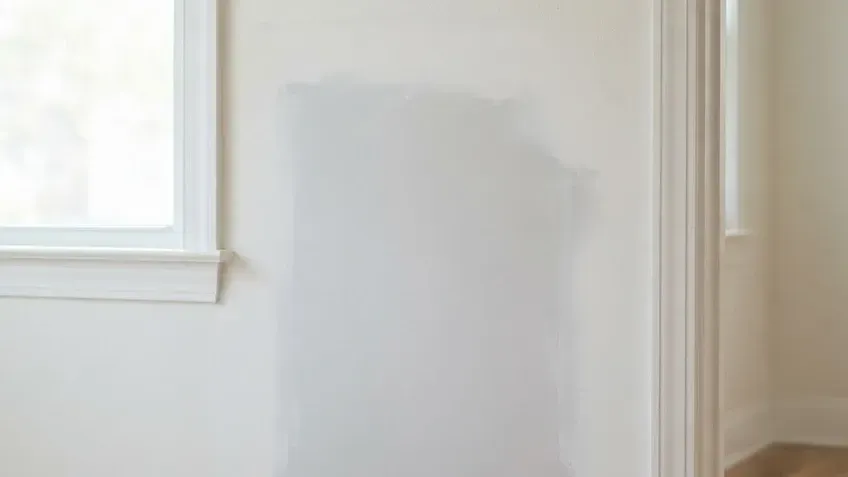
Paint is thin and follows the surface beneath it. A smooth coating applied over a dent, ridge, or crack will still reflect that shape once it dries, and glossy or eggshell finishes highlight the problem even more.
Repairing the drywall first gives the paint a flat, stable surface to bond to. Skipping that step rarely saves time, because the visible flaws usually bring the work back to the beginning.
Common types of drywall damage
Repairs fall into a wide range, and the right approach depends on the size, depth, and cause:
- Nail pops and screw heads showing through
- Small anchor or nail holes
- Doorknob dents and corner impacts
- Settling cracks above doors and windows
- Water stains or soft spots from a past leak
- Damaged or lifted corner bead
- Larger holes from removed fixtures or accidents
- Loose or bubbling tape seams
Small repairs versus larger patches
Small holes and cracks can often be filled with compound, sanded smooth, and primed in a short visit. Larger damaged sections may need a cutout, a backing piece, a drywall patch, tape, and several feathered coats of compound to blend with the surrounding wall.
Shoreline Brushwork completes drywall repairs for damaged areas up to 10 feet by 10 feet. The actual method depends on the location, depth, texture, access, and what caused the damage in the first place.
Active moisture comes first
A repair will not last if the wall is still wet. The source of any active moisture, whether a plumbing leak, roof leak, condensation, or exterior drainage, must be identified and corrected before the drywall is closed up.
Mold, structural concerns, plumbing, and electrical issues may require the appropriate specialist first. Once the area is dry and stable, the drywall repair and painting can move forward with confidence.
A typical repair process
While every repair is different, a thorough job usually follows a clear sequence:
- Inspect the damage and confirm the cause
- Protect the room, flooring, and nearby surfaces
- Cut, secure, or replace the damaged section as needed
- Apply mesh or paper tape over seams
- Build up compound in thin feathered layers
- Allow each layer to dry fully
- Sand the patch smooth and blend the edges
- Prime the repaired area
- Finish with paint matched to the surrounding wall
Matching texture and finish
Many walls have a texture, such as orange peel, knockdown, or hand troweling. A flat patch on a textured wall can be more visible than the original damage. Matching the texture, then priming and painting, helps the repair disappear into the surrounding surface.
Why primer matters on repairs
Fresh compound and bare drywall absorb paint differently than the existing wall. Primer seals the repair, evens out absorption, and helps the topcoat blend rather than flash or appear dull over the patch.
Water stains should also be sealed with a stain-blocking primer before painting, or the discoloration can bleed back through the finish.
When to call a professional
Small touchups are reasonable for many homeowners, but larger patches, matching texture, and repairs near plumbing or electrical lines are usually better left to someone who finishes walls regularly. A professional repair also keeps the project on schedule, because the patch is ready for paint when it should be.
Plan the repair before the paint
Shoreline Brushwork handles drywall repair up to 10 by 10 feet as part of residential interior painting in Muskegon and surrounding communities. Call before 2:00 PM to ask about a free same-day estimate, subject to location and schedule availability.