October 16, 2026
How Often Should You Paint Your Home in West Michigan?
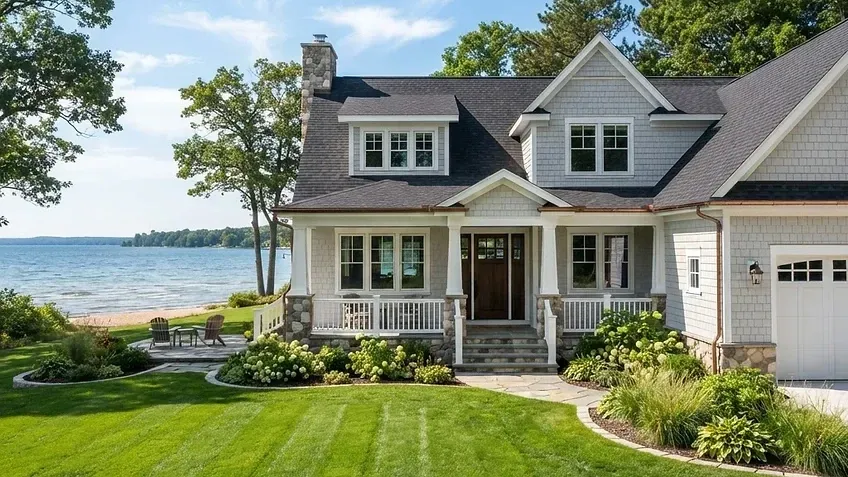
There is no single repainting schedule that works for every West Michigan home. A house near the lakeshore can face strong sun, moisture, wind, snow, and repeated temperature changes. The surface material, previous coating, preparation, and exposure all affect how long the finish remains protective and attractive.
Instead of waiting for a specific year on the calendar, homeowners should pay attention to what the exterior is showing them.
Start with the condition, not the calendar
Some exterior finishes remain in good condition for years. Others begin failing early because the surface was damp, dirty, glossy, loose, or improperly prepared when the coating was applied. Different sides of the same home can also age at different rates.
A side that receives strong afternoon sun may fade sooner. A shaded wall may stay damp longer and develop mildew or coating problems. Trim, sills, doors, and horizontal surfaces often show wear before broad siding areas.
This is why a visual inspection is more useful than assuming the entire house needs repainting on a fixed schedule.
Signs your exterior may need attention
Look for these common warning signs:
- Peeling, cracking, or flaking paint
- Fading or uneven color
- Chalky residue on the surface
- Exposed wood or bare areas
- Failed caulk around joints and trim
- Bubbling or blistering
- Mildew or persistent staining
- Soft, damaged, or deteriorated material underneath the coating
Paint cannot correct active moisture problems or damaged building materials by itself. If the inspection reveals rot, leaks, failed flashing, or another underlying issue, that problem should be addressed before a new finish is applied.
Preparation has a major effect on paint life
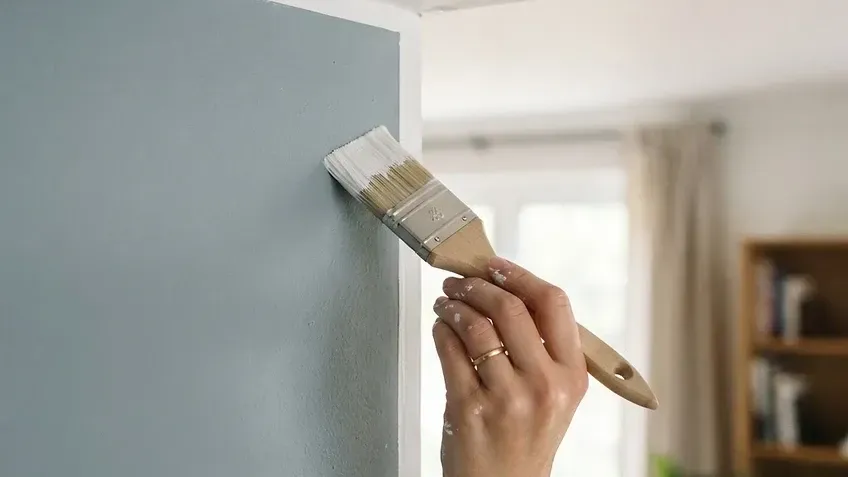
The new coating can only perform as well as the prepared surface allows. Depending on the condition of the home, preparation may include cleaning, scraping loose material, sanding edges, addressing failed caulk, dulling glossy surfaces, spot priming, and protecting nearby landscaping and fixtures.
Not every home needs the same process. The appropriate preparation should be based on the actual material and condition, then written into the project estimate.
Homeowners comparing painting estimates should look beyond the final price. Ask what surface preparation is included, what areas will be coated, what product type is planned, and how nearby surfaces will be protected. The U.S. Environmental Protection Agency also has specific requirements for paid work that disturbs paint in many homes built before 1978.
West Michigan weather matters
Exterior coatings need suitable conditions during preparation, application, and drying. Temperature, surface moisture, rain, direct sun, and wind can all affect the plan. A responsible schedule may change when the weather does not support the product or surface being used.
That flexibility protects the finish. Rushing an exterior simply to stay on a calendar can create problems that appear later.
Inspect the exterior once or twice a year
A quick inspection in spring and fall can help identify small problems before they spread. Walk around the home and pay particular attention to trim, doors, windows, lower siding, shaded walls, and areas where water collects or drains.
If the finish is losing adhesion or bare material is becoming exposed, it is worth getting a professional opinion. Early attention may keep preparation more manageable and help protect the surface beneath the paint.
Talk through the condition of your home
Shoreline Brushwork provides residential exterior painting in Muskegon and surrounding communities within approximately 30 miles. Call before 2:00 PM to ask about a free same-day estimate, subject to location and schedule availability.